
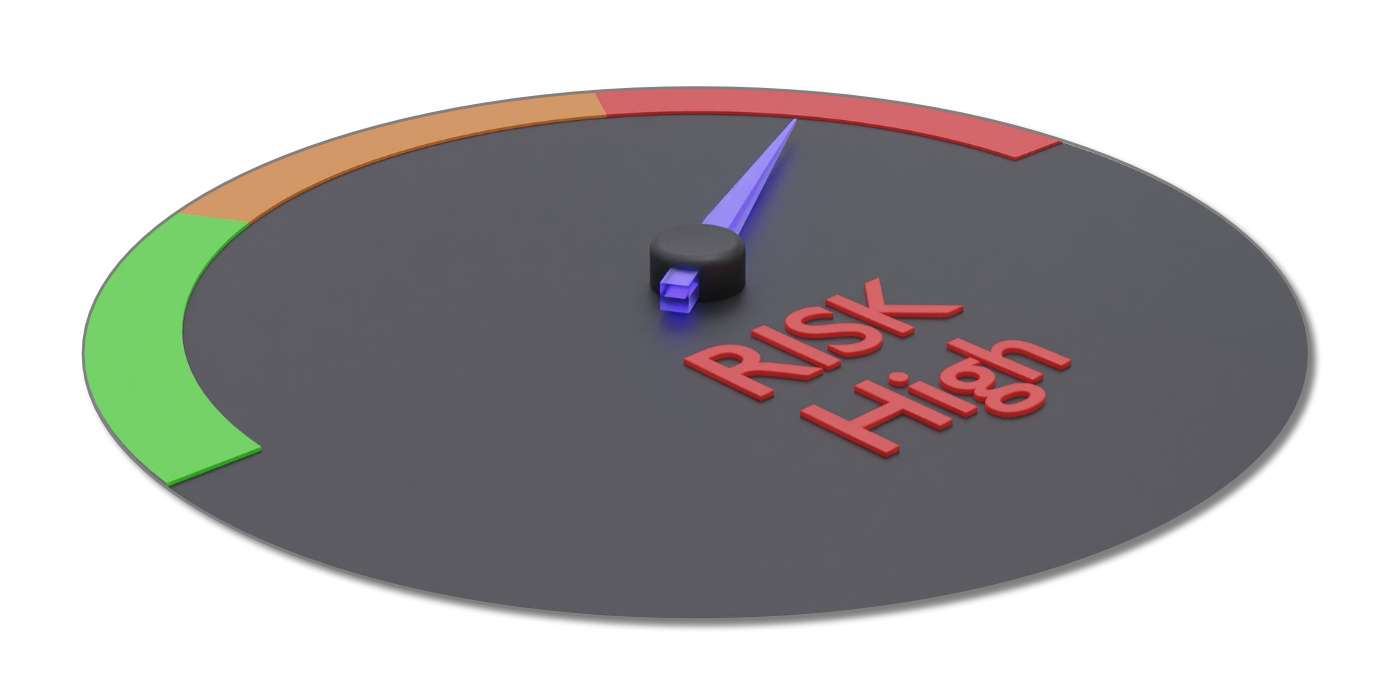
I’ll keep this brief and offer a few cautionary tales about AI.
By: Grant P. Ferguson
Last Updated: April 2, 2025
Examples of Cautionary Tales about AI
This is not an attempt to share everything I’ve discovered about AI, but give you links so you can glimpse the magnitude of these issues.
For example:
- Steal: Meta Stole Copyrighted Work from Millions of Authors
- Kill: Lawsuit claims Character.AI is responsible for teen’s suicide
- Destroy: Judge fines lawyers in Walmart lawsuit over fake, AI-generated cases
And if you think a person’s reputation is safe hiding behind a VPN, think again: An AI Image Generator’s Exposed Database Reveals What People Really Used It For.
Key Concerns of Writers, Parents, and Individuals
If, as a writer, you want to protect your hard work, the first link should be enough to convince you that AI steals writers’ words, kills creators’ souls, and destroys writers’ motivations.
As to the additional links, I’m asking you to think about your reputational risk every time you use an AI generated image or rephrased text, and to consider the sources of whatever you embed into your work. By your use of that data, take a moment to think through your support of the companies profiting from AI.
To date, the mounting evidence shows that writers, artists, parents, and individuals struggle with the harm caused by AI, and most have not found satisfying legal recourse.
Let the Cautionary Tales about AI Motivate You
Corporations and individuals have few incentives to stop the harm, as noted in the post and articles about by the content lifted from 7.5 million books.
Repeatedly, I’ve seen corporations act based on the potential profit less the cost of litigation. An emerging consensus is only new regulations with stiff penalties will reduce (not eliminate) the problem, but updated laws could provide recourse for the victims.
Two actions remain within your control.
- Share the concerns with your state’s federal representatives and senators.
- Take responsibility for your use of AI.
As writers, let us consider this thought.
The way a writer uses AI shouts louder than his or her words.
Leave a Reply
AI has positive potential, but how can we limit its harm and provide legal recourse?
17 responses to “Cautionary Tales about AI”
If the copyright infringement laws, or rather the enforcement of them, were stricter when assessing the resources consumed by AI and the intended usage, I think so much conflict could be avoided. If AI developers were made to ask for explicit permission from creators, it would instantly boost the ethicality of their operations. As the cautionary tales show, the problem runs much deeper than even stealing people’s work. The effects are devastating, and that needs to stop.
Well said, Damyanti, and based on some activity, I’m hopeful we’re inching our way toward reducing this huge issue with many facets.
Hi Grant, this is a very sobering post. Stealing of copyrighted works for commercial gain is an outrageous crime. It is not only the arrogance of the owners and employees of those companies who have trained their conscience to believe ‘ask for forgiveness not permission’ it is the open disdain that is so apparent in their behaviour that is disgusting.
The tragic deaths of people who have interacted with AI bots is incomprehensible. Again owners and employees are directly responsible for these deaths. The could easily reign in responses of bots. Instead they have opened the doors for their greed to be satisfied.
I believe most people don’t realise that LLM AI bots are biased. Biased by the material they were and are trained with. This means that anyone with deep enough pockets who can produce enough material could influence the output of your AI bot. I see this often in my research where global industry cartels dominate media with their messages, accurate or not. Welcome to the technology world of mob rules.
I love your work Grant and your website and Trellis Method process are the best. Thank you for making the time to produce such great assets for us all. Peter
Well said, Peter, and thanks for your thoughts about AI. This is an issue that deserves more awareness, and your comments help to share those insights. I sincerely appreciate your kind words regarding the site and the Trellis Method.
We’re going to pay a high price for the convenience of having modern technology.
Yes, Anneli. For those of us who’ve lived through many cycles of technology, we’ve seen what happens, and unfortunately, too many are not happily ever after endings.
Never a dull moment though. We just have to learn to be more guarded in our personal use of Internet and social media. Still, some of the global implications of AI use are truly frightening.
From the dozens of articles I’ve read, we have good reasons to exercise caution. Scary indeed!
Such powerful examples and wise counsel. Thank you, Grant!
You’re welcome, Wynne. Thanks for adding to the discussion!
Very topical
So true, Jacqui, and like “Shark Week,” this must “AI Danger week,” and it’s only Wednesday! It’s a shame how few people are aware of the AI risks. Like baby birds in the nest, they take in all the hype with the eyes closed. Scary!
Grant, I really appreciate your post. AI is relatively new to our family and I will share your information with my husband so we are more informed of the dangers. Thank you!
What I’ve shared today is the tip of a destructive iceberg. AI can contribute to medicine and science. However, it can also reduce artistic contributions, parental controls, and, as one blogger noted, mental health. To date, with no safeguards in place, AI reminds me of what can happen when an atomic reactor runs out of control.
Here’s another recent event. A conglomeration of corporate entities re-opened Three Mile Island. They’ll use the atomic reactors to generate the electricity required to power AI.
To ignore historical risks in favor of profits highlights a recurring AI theme.
Thank you for sharing this information. I’ll definitely pass it on. Blessings to you, Grant.
That’s so sad about the teen suicide. And that’s crazy about the lawyers not knowing the cases were fake. If we use AI, I think we need to consider the ethical implication behind our motives. It can’t be for greed or child pornography or anything like that.
Thanks for the comment, Priscilla. The articles I linked are only a few of so many I’ve read. It’s a worldwide issue, and besides the suicides and life-destroying embarrassments, it’s also sad how few writers recognize the problem. They create quick images for character development or for a post, ignoring the fact the same AI app is also used to generate child pornography. On another front, parents are allowing their children to create “AI companions.” The computer’s creepy responses serve as a warning to parents that a child’s interaction with AI is like allowing an unsupervised chat with an adult stranger. Please help me make the writing community aware of this serious issue that goes well beyond the theft of copyrighted material.