
With a hat tip to a master of plots, Erle Stanley Gardner, lets see what we can learn by following this Perry-Mason-ish story about helping Fiona plot her novel.
By: Grant P. Ferguson
Last Updated: April 9, 2025
The Short
The Client
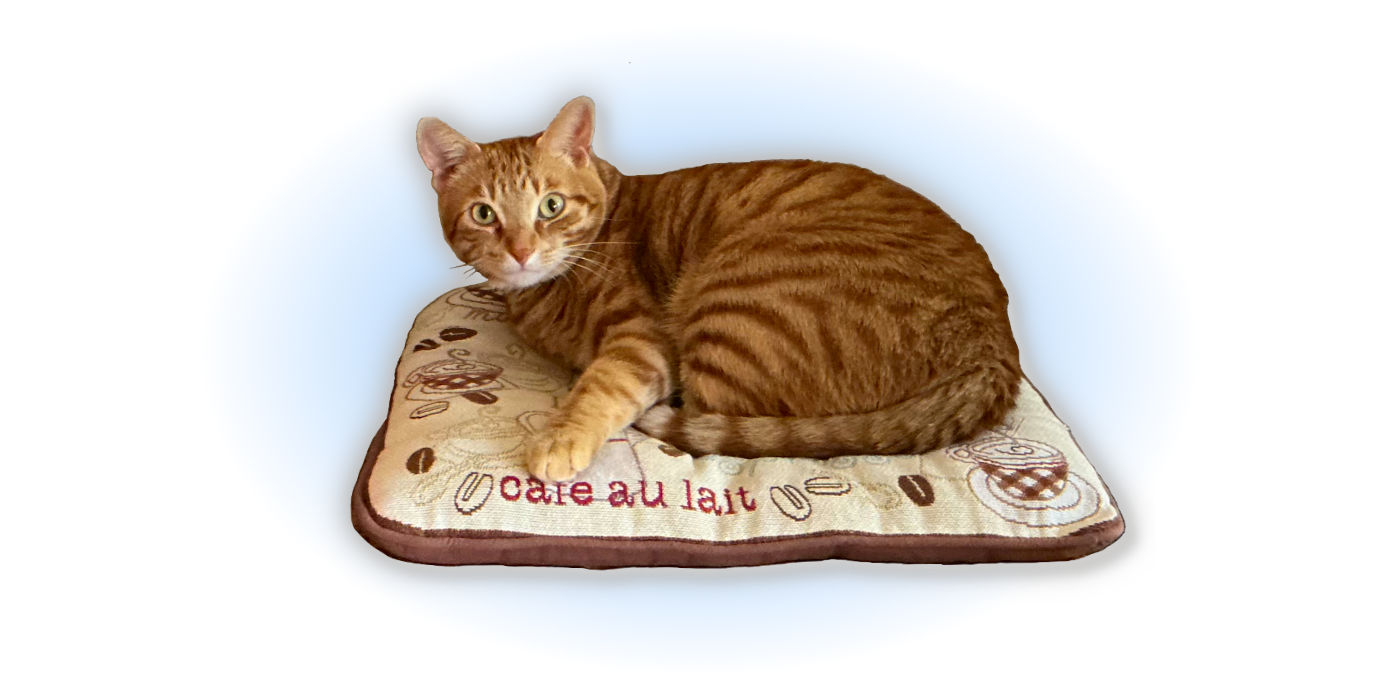
My email app pinged before the sun rose, still black outside like a watchman’s midnight coffee. Wide awake and into my second cup, I toyed with ignoring the message. My cat never minds the pings, but this one caused Rusty to raise his tabby head and stare as my fingers danced on the keyboard.
The cat yawned, raised, then lowered his lashes until they almost cuddled his orange cheeks and slowly raised them again, like a theater curtain. Rusty was a creature of habit, and to get his quota of head scratching, he threatened to walk across my keyboard and crash the computer—the infamous blue screen of death.
I gave in to Rusty’s threat by giving him enough head noogies to satisfy a dozen cats, revving his feline engine until the purr roared like a dragster racing the quarter mile.
Off task after petting the cat instead of writing my story, I pulled up the email that started the distraction, and recognized the name of a subscriber.
Fiona asked:
“I’ve written half of my 75,000 words, but I’m lost in the middle, so what’s the secret to keeping me and my readers’ interested until the last page?”
In the email, Fiona described her chosen genre and supplied a validated premise. She also attached a Microsoft Word document that included a lengthy note about how she got stuck at the story’s midpoint. I winced when she said, “Worse, I don’t know how to go forward.”
I knew all too well the temptation to give up.
By late morning, I finished reading Fiona’s manuscript, smiled thinking about her capable writing, but my forehead wrinkled into an uncomfortable V-shape at the lack of emotions and continuity. My read through suggested the story would not hold the audience’s attention to the last page, but I had yet to pinpoint the chief problem.
The Case
I leaned back and stretched. Fiona, as a self-described pantser, had encountered a common problem: the muddle of the middle, that dread where the actual writing doesn’t match the whiz-bang image in the writer’s mind.
An engaging story doesn’t happen without work, but some writers think it’s the case of the lucky plot.
I’m a gentleman, but let’s face facts. Story structure is what readers want, not some exotic word cocktail that pleases the writer but seldom the audience.
Long ago I learned (the hard way) to sidestep those who argue over the value of timeless writing principles. I have no time to major in the minor nits of writing.
Readers want a plot that treats scenes like pearls, linking one to the next in a beautiful narrative necklace.
But this case was different.
Whenever I come across a novice writer eager for help, I jump at the opportunity to see what I can do for them. For this case, I sensed with my creative nose the boys in the basement were already cooking up some actionable suggestions.
The Analysis
Because I’m more of a curator than an editor, I buckled in for an in-depth read, this time inserting my comments into Fiona’s Word document. My analysis focused on spotting problems where time-proven principles could give Fiona actionable solutions. Then I set the document aside overnight, expecting my little gray cells to percolate up a few more tweaks.
The Problem
In the morning, I made my updates, and set about drafting an email to help Fiona.
Here’s an outline of what I discovered:
- Premise and Genre: The story’s premise seemed okay. It covered the beginning, middle, and climax, with characters appropriate for the chosen genre.
- Point of View: The third-person limited point of view allowed for thoughts in italics. However, it appeared Fiona was not taking full advantage of the technique. Also, she could use Deep POV to emphasize the character’s emotions and enrich the overall story.
- Plot: The main plot of Fiona’s murder mystery worked fine, but everything was told from the single lead character’s point of view. After the first act, that single viewpoint got tiresome because it missed out on letting the audience in on secrets that could create conflict, tension, and suspense.
- Subplots: For this story with only a handful of key characters, Fiona could use subplots and multiple points of view to make the narrative flow better and create more interest. Also, by using one or more subplots, that change would probably inspire her to write more scenes for the last half of the story.
Now I had something of value and actionable to share with Fiona. Best of all, by returning a copy of the Microsoft Word file with my comments pinned to key sections, she would have specific places to consider taking action.
The Solution
My email to Fiona thanked her for the privilege of reviewing her work. I encouraged her to choose those suggested actions and edits that would best serve her story.
After all, it’s Fiona’s story, not mine, so I’m a stickler for writing principles, not rules. Those principles help authors stay focused on fulfilling their target readers’ expectations.
Besides the notes and comments in the Word document, I shared the link to the free writing terms glossary, the inspiration for my comments and suggestions.
For example:
Plot and Subplot:
The Main Plot is a thread of crucial events that comprise the narrative of what occurs within the story, forcing characters into conflicts. The Subplots interject more events and characters, amplifying the main plot.
Focus and Drivers:
Plot-Focused: A balanced plot-focused story still includes a major character arc, but the character’s internal change doesn’t determine the direction or essence of the story as much as the plot does. In a heavily plot-focused story, the character’s internal/emotional journey (if it exists at all) is minor and might be triggered by a subplot rather than be tied to the main plot.
Character-Focused: A balanced character-focused story still has a strong plot arc, but the essence of the story lies more in the character’s choices with those events and dilemmas. In a heavily character-focused story, plot events might exist just enough to help reveal the character’s issues and/or force them to change.
Plot Drivers: Do you think more about the cool plot events or about the character’s emotional struggle? Do you write about what happens or how events affect the characters? Which could you change more easily without affecting the essence of your story:
- The character’s choices and growth?
- The plot events that cause your character’s struggle?
Point of View (POV):
The point of view (POV) is the perspective of the story’s narrative voice.
- Genres and reader expectations influence the choice of POV.
- Third-Person Limited POV refers to the narrator as “he” or “she” or by the “character’s name.” The view is over the character’s shoulder or through the person’s thoughts, especially useful in mysteries and thrillers.
- To give readers a deeper emotional experience (aka Deep POV), the Third-Person Limited POV allows the author to put readers inside a character’s thoughts, feelings, and sensations. This post with examples includes a downloadable summary of the 12 techniques to connect with readers.
The Resolution
Fiona stayed in touch, but weeks would go by before I got an update. I appreciated her emails describing the writing struggles and breakthroughs. She often used the free glossary. Occasionally, she asked me to clarify how a writing principle could apply to her work.
Admittedly, I enjoyed the back-and-forth emails. Each allowed me to experience vicariously Fiona’s victories. I got to share in the excitement as she neared the end of her writing marathon. Concurrent with the editing, Fiona got busy preparing for her book launch. She updated all the social links. Also, she invited a group of eager readers to help her get the word out. She referred to them as her “street team,” and they were ready to write online reviews once the book got published.
To expedite book availability in the US and internationally, Fiona chose to self-publish for wide distribution through Draft2Digital.
The launch day came soon enough, and she hit the publish button. That was the red domino, the catalyst that set all her preparation into motion, a cascade of small but important events. Even though Fiona has not (yet) attained bestseller status, she got something much more valuable.
Fiona gained the confidence, boldness, and perseverance as a published author who solved the case of the lucky plot.
Leave a Reply
What’s your method for making sure your plot forces characters to show emotions that satisfy readers?
6 responses to “The Case of the Lucky Plot”
Good advice, Grant. Love your video and the photo of your office mate!
I appreciate your boost, Dana, and those videos are fun to make!
That was a fun read with lots of good ideas.
Thanks, Jacqui, and I’m glad you enjoyed the story.
I totally agree that mysteries (and thrillers) need more than one POV because of how the reader gets to see secrets and especially danger building through the machinations of other characters.
Adding additional POVs can amp up stories, especially when using Third Person Limited. I appreciate your insights, Priscilla!