
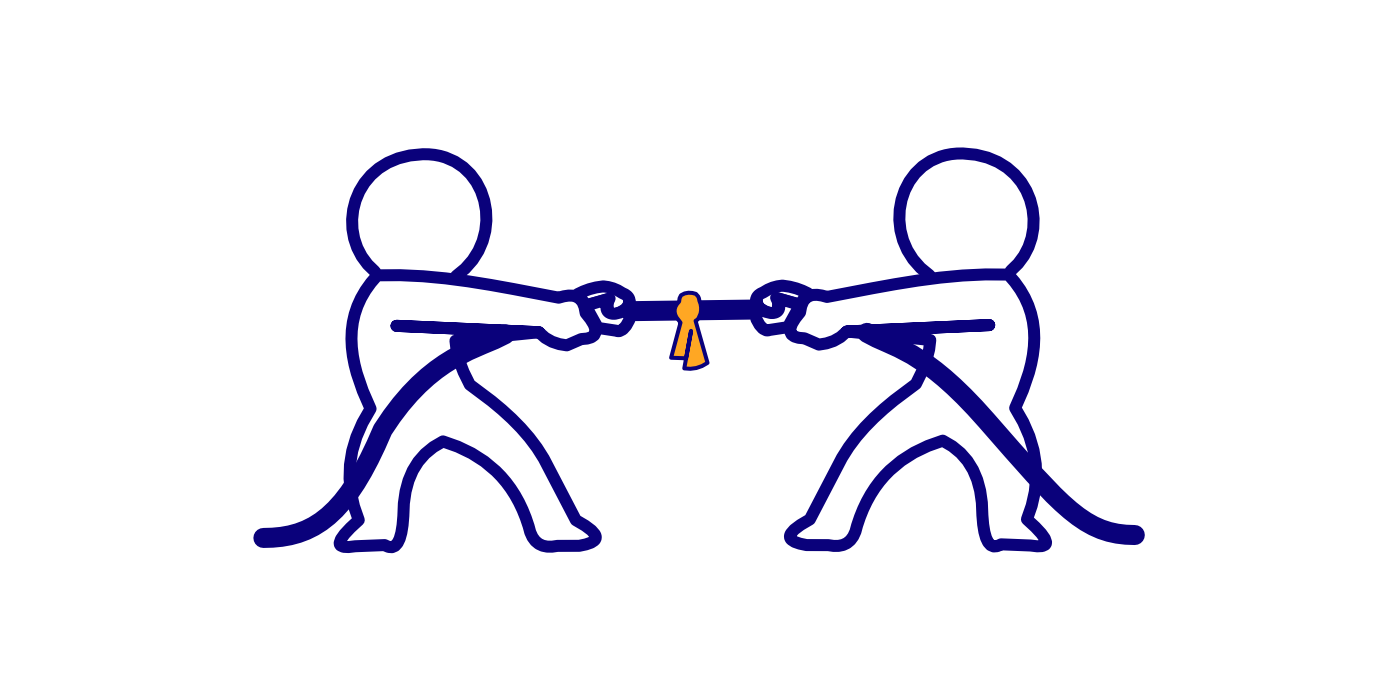
Readers love how conflict surfaces characters’ emotions in romance, mystery, and thriller novels. Let’s look at the differences between conflict, tension, and suspense.
Conflict, Tension, & Suspense Essentials
Conflict brings characters’ emotions to the surface, creating the opportunity to heighten the sense of tension and suspense.
- Conflict results from opposing forces. For example, character versus:
- Character
- Nature
- Self
- Society
- Supernatural
- Technology.
- Tension occurs as readers expect more conflict.
- Suspense grows as the conflict remains unresolved, and readers wonder, What happens next to the lead character?
Without conflict in a scene, you can’t have tension and suspense.
Conflict’s Functions
External Conflict
The external conflict focuses on the problem the character wants to solve, often highlighting some internal conflict. This opens a question in the readers’ minds: how will the character resolve the problem.
Internal Conflict
The internal conflict is the wrestling match within the character’s mind. Because of this inner turmoil, the character struggles with thoughts, choices, speech, and actions. Emotions resonate with readers, conveying the story’s theme through realistic behavior.
Change Catalyst
Conflict increasingly frustrates the character’s efforts to achieve a goal. As a result, that frustration increases the lead character’s awareness of the need to change.
Reader Engagement
Readers engage at the intersection of conflict, stakes, want, and need:
- A conflict blocks a character’s achievement of a goal.
- Stakes spur hero to pursue goal despite conflict.
- A character’s false beliefs (i.e., the “lie”) drive want and behaviors.
- A character’s behavior blocks the need to change.
Your Thoughts?
How do you use conflict as the key to unlock the emotions readers crave?


Leave a Reply to Priscilla BettisCancel reply