
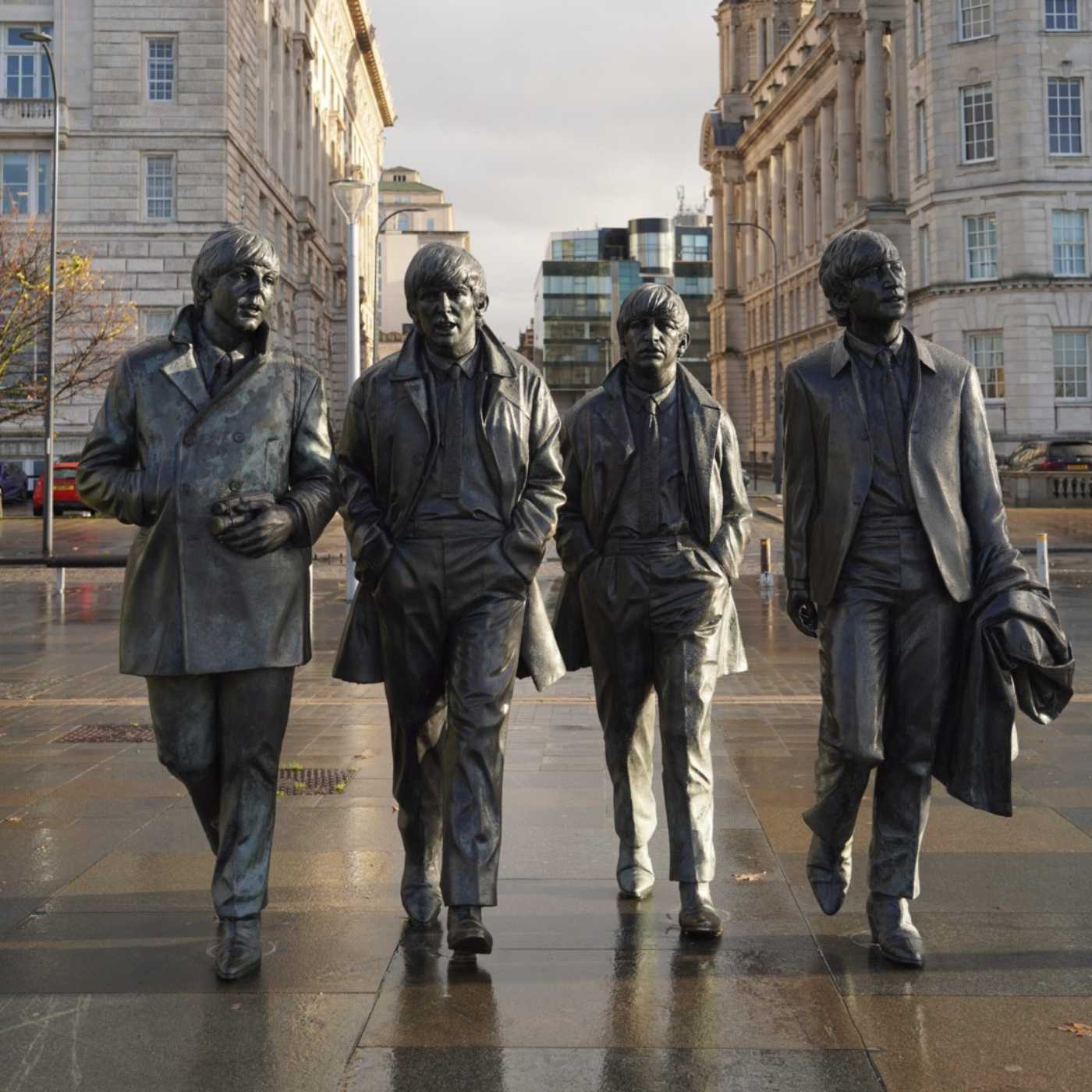
Like the Beatles song, how would you like to get an extra writing day each week, the time you need to take care of your life and your story?
By: Grant P. Ferguson
Last Updated: February 23, 2025
I’m talking about freeing up time in your busy schedule. The equivalent of an extra day each week to take care of your life and story. It’s simpler than you may think, but you’ll find it’s somewhat counter intuitive.
Bear with me as I explain the change you need to make, giving you the time to write that book in your noggin.
The Typical Writing Day
Most people worry… a lot.
Unfortunately, much of that anxiety focuses on what to do next. When interrupted, they fear not getting back into the zone and finishing what they started. If that cycle of distraction and fear repeats frequently, many abandon their goal to write a book readers will love.
I know because I’ve been there, too!
Let’s Discover Your 8th Writing Day
No one starts their writing day with the mission to waste as much time as possible worrying about what to do next.
Many spend their hours in unproductive activities, and you’ll benefit by evaluating how you use your time.
Writing Principle: Just as no one would confuse dog paddling in place with swimming to shore, top writers unmask busyness disguised as productivity.
For example:
- If you’re anything like most people, you’ll discover about 15 minutes out of every hour is spent on things other than your writing goal.
- Researching something that got your attention,
- Studying how-to do something, or
- Frittering away time on social media.
- Let’s say you have 8 hours to achieve whatever you wish for that day. When you waste 15 of every 60 minutes, that’s the equivalent of 2.5 hours lost per day.
- Add up your lost time, and that’s 12.5 hours for the standard 5-day workweek.
Let’s discover how to steer around life’s sinkholes that suck time away from writing.
Where Can You Recover Lost Time?
I’m not reading your mail, but I am a human, and subject to all the distractions of life.
You’re encouraged to evaluate how you spend your time each day of the week, including weekends. Analyze the hours spent on repetitive tasks and time wasters. See where the minutes slip away like water through your fingers.
For example:
- Are you rewriting the same grocery list each week?
- Does your lack of an automated junk email rule force you to review each one?
- Do you follow links to places that tickle your eyes but produce nothing of value?
My point is we can all stop doing things that waste time, but there’s another opportunity many avoid because they rebel at the thought of following a writing roadmap — a systematic way to achieve your goal.
Excellent Habits = Excellent Systems!
If you had the habit of keeping a preprinted list of standard grocery purchases, that “system” would save you time each week.
Now apply a similar thought process to your entire life. Consider how you can systematically take care of all the mundane aspects, such as automating your payment of bills.
Writers excel when they are free to focus on creativity instead of worrying about the process of writing.
For instance:
- Set a consistent time to write, and when your cheeks are in the seat, write!
- Have everything you need to write until it’s time for a break.
- Minimize tasks and interruptions that redirect your focus away from writing.
- Know your goal for the day and have a writing system to achieve it. For instance:
- Write the key scene needed to fulfill readers’ expectations for your genre.
- Edit the scene’s controlling POV so readers enjoy all the juicy details.
- Plant a seed of foreshadow in a scene and record where you’ll harvest it.
Writing is hard work, there are no shortcuts, and your writing roadmap helps you arrive at your desired destination one step at a time.
Prepare Your Writing Day for Life’s Distractions
Life happens.
- Prepare for life’s distractions, whether you overcome them in a few minutes, several hours, or many weeks.
- Have a writing system that you can return to after the interruption.
- When struck by your muse (aka another type of shiny new object), adopt and adapt a note-taking system where you can later put that idea to work.
The completion of your full-length novel requires hard work, and it’s highly doable following a unique writing system designed to make the most of your writing day.
Leave a Reply
What helps you make the most of each writing day?


Leave a Reply to Wynne LeonCancel reply